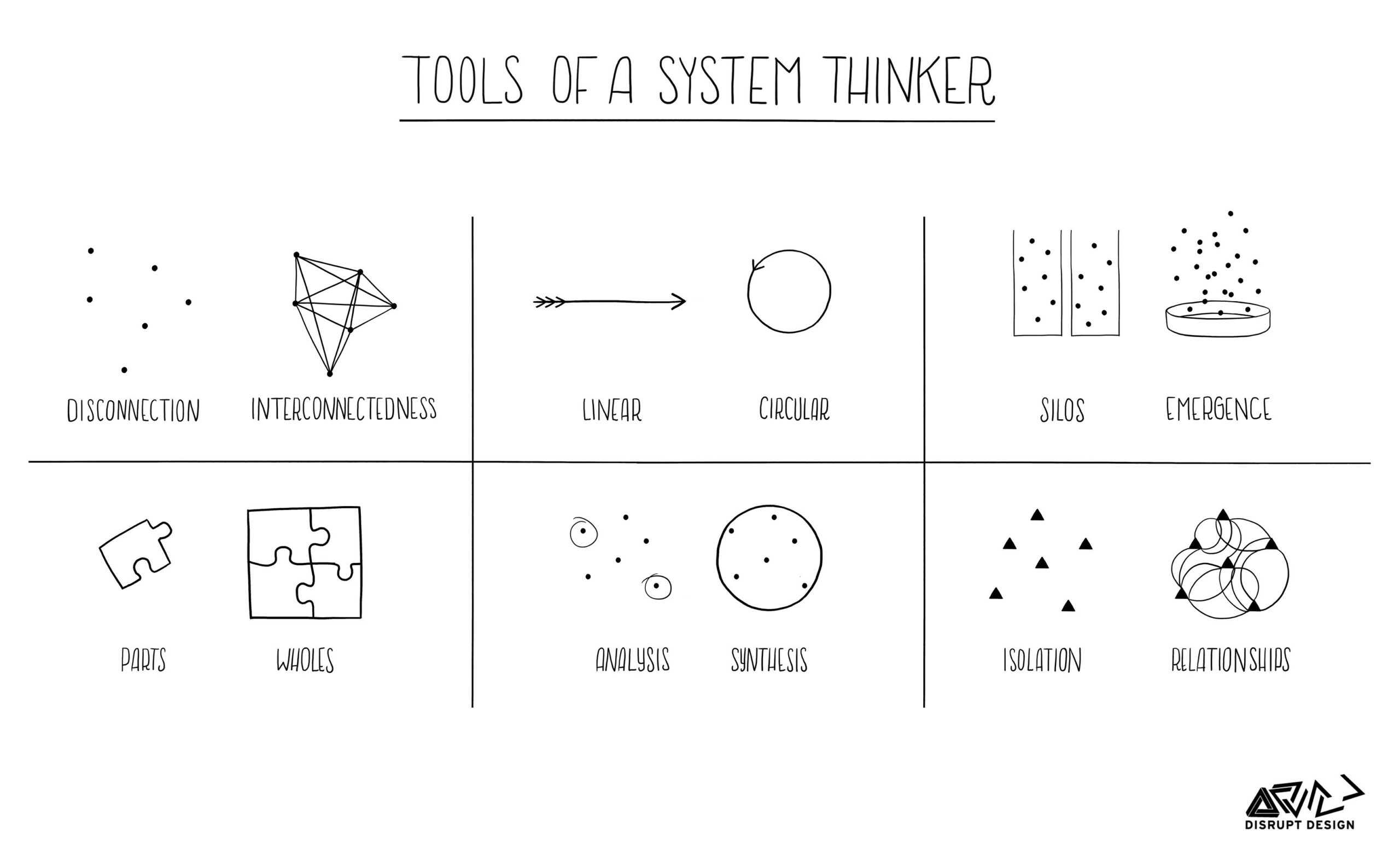

Sustainability in organisations is often first viewed through the lens of the footprint. How high are the emissions, where do burdens arise, which processes consume resources? This perspective is important because it creates transparency and reveals where action is needed. At the same time, it often falls short on its own. Those who understand sustainability solely as reducing negative impacts overlook a crucial lever: the handprint. It stands for the positive contribution that people, teams and organisations can actively make. This is where great potential lies – especially when it comes to strengthening motivation and driving transformation.
What Is the Footprint?
The footprint describes the negative effects of our actions on the environment and climate. In a corporate context, this typically involves greenhouse gas emissions, energy consumption, raw materials, mobility or waste. The footprint helps make burdens visible and reduce them systematically. It is therefore an important management tool for sustainable business practices.
The focus is on problems, gaps and risks. This is necessary but can also lead to sustainability being perceived primarily as sacrifice, obligation or additional burden. This is exactly where the handprint becomes relevant.
What Is the Handprint?
The handprint describes the positive impact we create through our actions. It does not only ask: What do we cause? But also: What do we change for the better? It is about concrete contributions that go beyond merely reducing one’s own harm.
A handprint is created, for example, when leaders motivate employees to make sustainable decisions in their daily work, when good solutions are shared within teams, or when organisations create structures that make sustainable behaviour easier. The handprint is therefore closely linked to effectiveness. It shows that sustainability is not just about avoidance but about active shaping and change.
How Can the Handprint Be Expanded?
The handprint grows where knowledge turns into impact. This first requires awareness. People need to understand where they can exert influence. Then orientation is needed: Which levers are realistic, meaningful and effective in one’s own work environment? And finally, encouragement is needed so that good intentions become concrete steps.
The handprint becomes particularly powerful when it is not limited to individuals. As soon as experiences are shared, good examples made visible and ideas developed together, a multiplier effect emerges. Individual change becomes collective movement. This is exactly where workshops, exchange formats and leaders play a central role.
From Concept to Practice: Workshops at Caritas St. Pölten
What this shift in perspective can look like in practice was demonstrated at the Leadership Day of Caritas St. Pölten on 11 February. Julia Wlasak-Eisenberger conducted two workshops there, embedded in a diverse programme with further sustainability contributions on topics such as mobility and nutrition.
At the heart of her workshops was the question of how sustainability can be communicated in a tangible and motivating way within one’s own sphere of influence. It became clear that much already exists within the organisation: engagement and numerous measures that have already been implemented. This very recognition was an important starting point. Because change does not always start from zero. And that is motivating.
The workshops made it clear that it is not only about uncovering deficits but also about making existing strengths visible. This visibility can generate motivation. Those who recognise that relevant contributions are already being made in their own area experience sustainability not just as an additional task but as a driver for self-efficacy and energy for next steps.
The focus on the handprint thus opens up a constructive perspective. Organisations reduce – but can also actively make a difference.
Sustainability Needs Both
Footprint and handprint are not contradictory. A credible sustainability strategy needs both. The footprint provides clarity about negative impacts and necessary reductions. The handprint shows how people and organisations can initiate positive change. Only in this combination does a holistic approach to sustainability emerge.
Making Sustainability Effective
Those who want to anchor sustainability in their organisation long-term should therefore not only look at key figures and obligations but also at motivation, participation and impact. This is exactly where change emerges that is supported and endures.
Would you like to not only measure sustainability in your organisation but also bring it to life? The Terra Institute supports companies and organisations in turning analysis into real implementation – with well-founded consulting, practical workshops and formats that engage people. Talk to us if you want to reduce your footprint and enlarge your handprint.
Author

Julia Wlasak-Eisenberger
Master in Global Studies & MBA in Sustainability Management
Julia has many years of sustainability expertise at universities (including a focus on Education for Sustainable Development) and in companies (sustainability, climate and education strategies). She is a lecturer at the University of Salzburg.
Questions? j.wlasak@terra-institute.eu.
FAQs: From footprint to handprint
1. What is the difference between footprint and handprint in sustainability?
The footprint measures the negative effects of our actions on the environment and climate, such as greenhouse gas emissions or resource consumption. The handprint, on the other hand, describes the positive contribution that people and organisations actively make – for example by sharing sustainable solutions, motivating teams or creating structures that make sustainable behaviour easier. A credible sustainability strategy needs both: the reduction of negative impacts and the active shaping of positive change.
2. How can organisations enlarge their handprint?
The handprint grows where knowledge turns into concrete impact. Organisations can enlarge their handprint by raising awareness of opportunities for influence, offering practical workshops and exchange formats, and deploying leaders as multipliers. The key is to make existing strengths visible and encourage employees to make sustainable decisions in their daily work. This is how individual change becomes collective movement.
3. Why is the footprint alone not enough for sustainable business management?
The footprint is an important management tool but focuses exclusively on problems, gaps and risks. This can lead to sustainability being perceived primarily as sacrifice or obligation – which slows down motivation and participation in the long run. Only the complementary view from footprint to handprint opens up a constructive perspective that fosters self-efficacy and initiates change that is actively supported by employees.